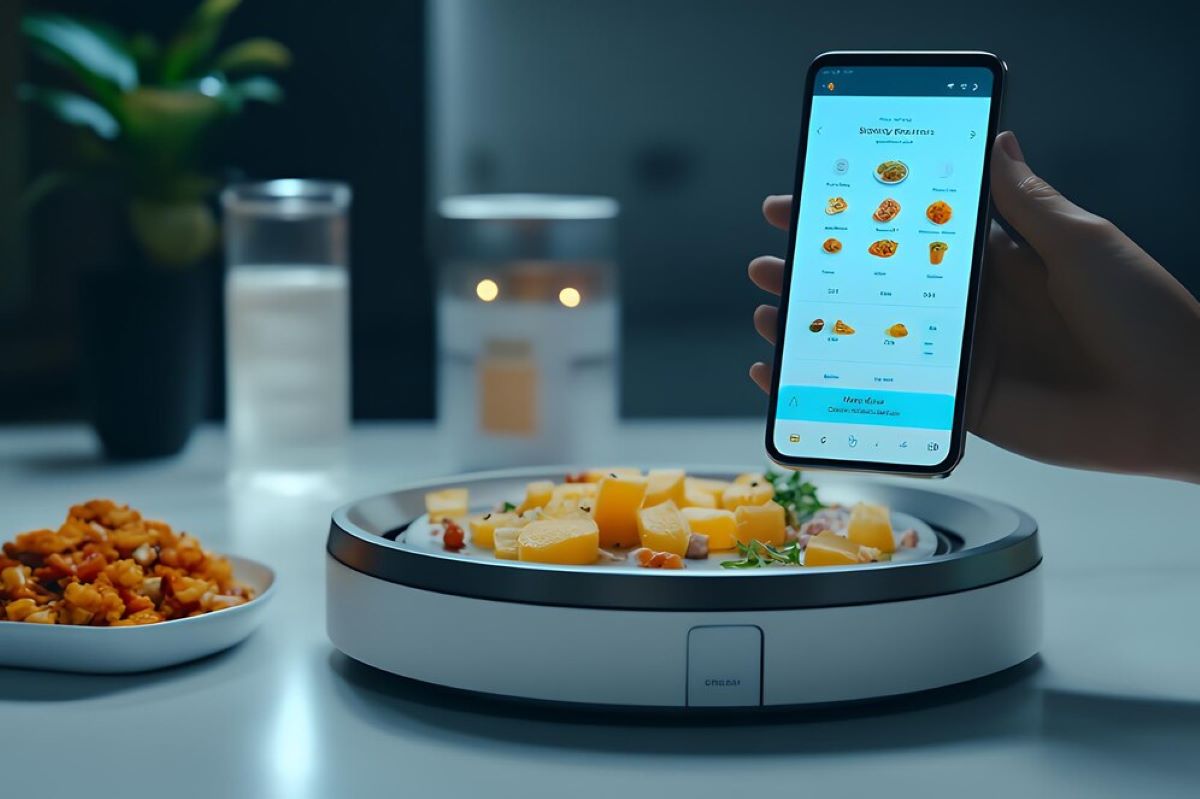
Top Wireless Freezer Temperature Monitoring Tools for Australian Restaurants
What Are Wireless Freezer Temperature Monitoring Tools and How Do They Work? Wireless freezer temperature monitoring tools are automated systems that track and record cold storage temperatures in real-time without requiring manual intervention. These systems consist of three core components: wireless sensors placed inside freezers, gateway devices that collect and transmit data, and cloud-based platforms that store information and send alerts. The Core Components Working Together Wireless sensors form the foundation of any freezer temperature monitoring system. These compact devices sit inside your freezer or refrigerator, continuously measuring ambient temperature—typically every 10 minutes. Built with food-grade materials and waterproof casings, they withstand the harsh conditions of commercial kitchens, including moisture, temperature extremes, and frequent door openings. Gateway devices act as the communication hub between your sensors and the internet. Positioned within range of your wireless sensors (usually up to 100 metres), these gateways collect temperature readings and transmit them to cloud servers via Wi-Fi or cellular networks. Many gateways include battery backup systems, ensuring your monitoring continues even during power outages—a critical feature for maintaining food safety during emergencies. How Cloud Platforms Enable Remote Monitoring Once temperature data reaches the cloud platform, it becomes accessible from anywhere through web dashboards or mobile apps. Restaurant managers can check freezer temperatures from home, whilst travelling, or across multiple locations from a single interface. The platform stores historical data for compliance audits and trend analysis, creating a permanent digital record that replaces paper logbooks. Real-Time Alerts That Protect Your Stock The most valuable feature of wireless freezer temperature monitoring systems is instant alerting. When temperatures drift outside your preset safe ranges, the system immediately sends notifications via: This immediate warning system allows staff to respond within minutes rather than discovering spoiled stock during the next manual check. The technology transforms temperature monitoring from a reactive task into a proactive safeguard, protecting both food safety and your bottom line. Why Should Australian Restaurants Invest in Wireless Temperature Monitoring Systems? Does automated temperature monitoring guarantee compliance with Australian food safety laws? Yes, wireless monitoring systems directly support compliance with food safety compliance Australia standards. The Australian Food Safety Standards (Chapter 3 of the Australia New Zealand Food Standards Code) require businesses to maintain temperature-controlled foods at safe temperatures and keep records proving compliance. Automated systems provide continuous documentation that satisfies auditor requirements without manual intervention. When health inspectors request temperature logs, restaurants can instantly produce comprehensive digital records spanning weeks or months, demonstrating consistent adherence to the 5°C or below requirement for refrigerated foods and -18°C for frozen items. How much food waste can restaurants prevent with accurate temperature tracking? Australian restaurants lose thousands of dollars annually to preventable spoilage. A single freezer malfunction overnight can destroy an entire week’s inventory if undetected. Wireless sensors catch temperature fluctuations within minutes, alerting managers before food reaches unsafe zones. This immediate notification system allows staff to: The average Australian restaurant wastes approximately 20% of purchased food, with temperature-related spoilage representing a significant portion. Reducing food waste through precise monitoring directly improves profit margins whilst supporting environmental sustainability targets. Can wireless monitoring actually save staff hours each week? Manual temperature checks consume 30-45 minutes daily across multiple staff members. A typical restaurant with four cold storage units requires checks every four hours, creating 24 data points daily that someone must record, verify, and file. Wireless systems eliminate this repetitive task entirely. Staff previously responsible for temperature logging can redirect their time toward customer service, food preparation, or other revenue-generating activities. The operational efficiency gains extend beyond time savings—automated systems remove human error from the equation. Forgotten checks, illegible handwriting, or falsified records become impossible when sensors automatically capture and transmit data. Restaurant managers gain remote monitoring capabilities, checking freezer status from home during closing hours or whilst managing multiple locations. This visibility creates accountability without requiring physical presence in the establishment. What Are the Top Wireless Freezer Temperature Monitoring Tools Available for Australian Restaurants? The best wireless freezer monitors Australia offers include several proven solutions tailored for commercial kitchens. These restaurant temperature monitoring tools vary in features, pricing, and capabilities, making it essential to understand which system aligns with your operational needs. Leading Temperature Monitoring Solutions Here are some of the leading temperature monitoring solutions available for Australian restaurants: Comparing Key Features Here’s a comparison of the key features of these temperature monitoring solutions: Feature Testo Saveris 2 Comark Diligence Monnit Tempmate Ease of Use Moderate Simple Simple Very Simple Alert Speed 2-5 minutes Instant 1-3 minutes 5 minutes Battery Life 3 years 2 years 3-5 years 1-2 years Price Range Premium Mid-High Mid-Range Budget The most reliable systems share common characteristics: IP67-rated waterproof sensors, cellular or WiFi connectivity with backup options, and Australian Standards certification. Alert mechanisms should include multiple notification channels—relying solely on app notifications risks missed warnings during busy service periods. How Do These Tools Help Reduce Energy Costs and Improve Sustainability? Can temperature monitoring actually lower your restaurant’s electricity bills? Yes—wireless freezer monitoring systems identify inefficiencies that waste energy, helping Australian restaurants cut power consumption by up to 15% whilst supporting environmental goals. Tracking Freezer Performance for Optimal Energy Management Restaurants Top wireless freezer temperature monitoring tools for Australian restaurants continuously analyse temperature patterns to reveal when equipment works harder than necessary. When freezers struggle to maintain set temperatures, they consume excessive electricity. The data collected highlights these inefficiencies immediately, allowing managers to adjust settings or redistribute stock to optimise airflow and reduce compressor runtime. Real-time monitoring shows exactly when doors remain open too long or when temperature fluctuations indicate poor insulation. These insights enable targeted improvements rather than guesswork, translating directly into lower energy bills. Many Australian venues report monthly savings of $200-500 per freezer unit after implementing data-driven adjustments. Catching Equipment Problems Before They Escalate How do these systems prevent costly breakdowns? Wireless sensors detect subtle temperature drifts that signal failing components—often weeks before complete failure occurs. A compressor struggling to maintain -18°C creates gradual warming trends visible in monitoring dashboards.
Top Wireless Freezer Temperature Monitoring Tools for Australian Restaurants Read Post »